
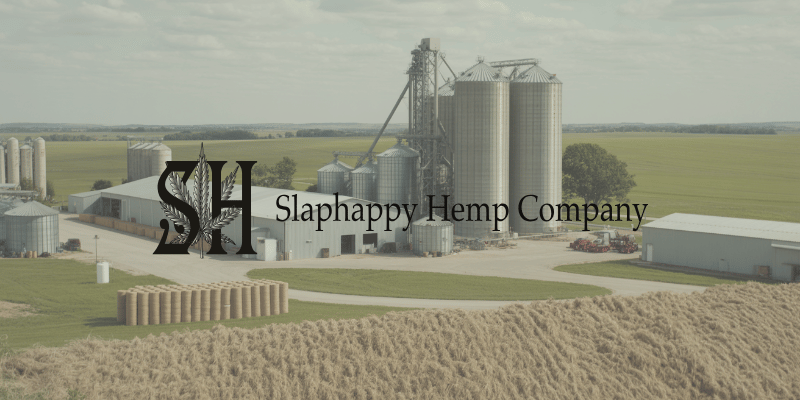
Missouri Could Be a Hemp Manufacturing Hub. Here’s What’s Holding It Back

Missouri has everything it needs to become a serious hemp manufacturing hub. Productive farmland. Central transportation routes. Skilled agricultural labor. Proximity to major markets. Demand for hemp-based materials already exists. What’s missing is not potential. It’s follow-through.
Farmers across the state are capable of producing hemp grain and fiber at scale. Builders are increasingly interested in domestic, bio-based materials. Manufacturers are looking for alternatives to volatile global supply chains. On paper, Missouri should be leading.
What keeps that from happening is uncertainty.
The biggest barrier is inconsistent and unclear regulation. Manufacturing requires capital investment. Processing facilities cost real money to build and operate. Businesses do not invest when rules can change overnight or enforcement timelines shift without warning. Farmers hesitate to commit acreage when downstream markets might disappear midseason. Manufacturers hesitate to scale when compliance standards are not clearly defined.
Infrastructure gaps compound the problem. Hemp fiber and hurd require specialized processing equipment. That equipment exists, but not widely enough to support a full manufacturing ecosystem. Without regulatory clarity, private investment stays on the sidelines. Without investment, processing capacity never reaches the level needed to support farmers and builders.
Education is another obstacle. Many decision makers still treat hemp as a headline instead of a crop. That confusion shows up in zoning decisions, permitting delays, financing hurdles, and insurance issues. When officials do not understand the difference between hemp fiber, grain, and cannabinoids, everything gets lumped together and slowed down.
That slowdown has consequences. Jobs move elsewhere. Materials get imported. Missouri loses opportunities it should be capturing locally.
Hemp manufacturing could support multiple sectors at once. Construction materials like hempcrete, fiberboard, insulation, and compatible mineral or hemp-based paints could be produced closer to where they are used. Food and feed products could strengthen local supply chains. Industrial inputs could reduce dependence on foreign sources.
None of this requires inventing new demand. It requires allowing existing demand to be met domestically.
Missouri does not need to pick winners or subsidize bad ideas. It needs clear definitions, stable timelines, and consistent enforcement. That alone would unlock farming, processing, and manufacturing across the state.
The raw materials are already here. The workforce exists. The market is waiting. What’s holding Missouri back is hesitation rooted in uncertainty that does not need to exist.
If the state wants to be more than a raw-material supplier, it has to commit to letting manufacturing grow without fear of regulatory whiplash. Hemp manufacturing is not a gamble. It is a missed opportunity waiting to be claimed.
Why Congress Needs to Act on Hemp
The American hemp industry is facing a hard deadline. Unless Congress acts, current federal language would trigger a nationwide hemp ban in November, disrupting farms, processors, and manufacturers across the country.
A three-year extension gives lawmakers time to write clear, responsible regulations without collapsing legitimate businesses midstream. If you want to support a three-year hemp extension, you can
contact Congress here.
A Note for Our Community
If Slaphappy products are part of your routine, now is the time to plan ahead. Many hemp consumables, including gummies and drinks, may not be available much longer if Congress does not act.
Stocking up is not about panic. It is about practicality. Thank you for supporting responsible hemp and the people doing this the right way.